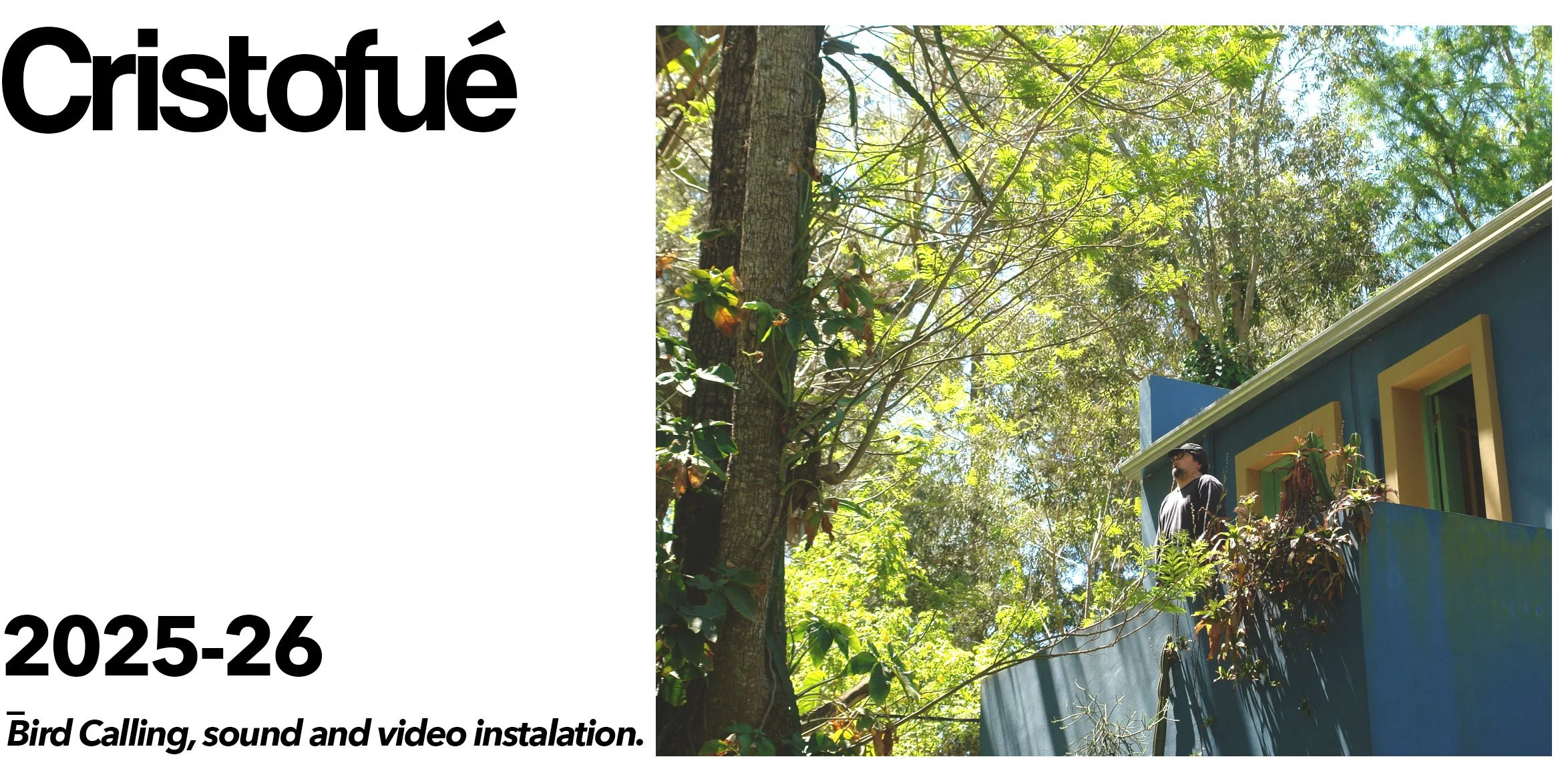
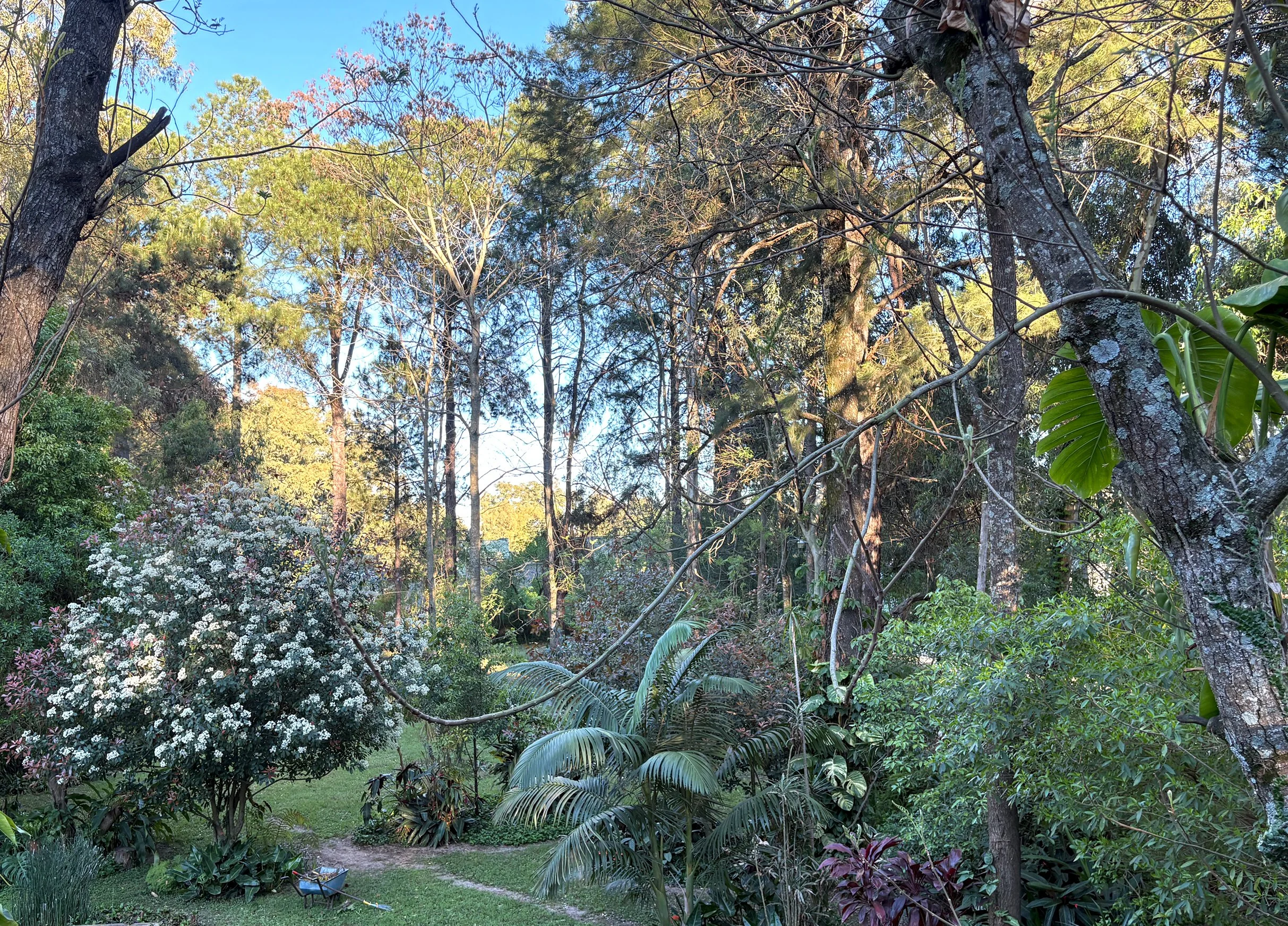
At the end of 2025, I was invited to an artist residency in San José del Rincón, Argentina. Returning to Latin America reminds me of and allows me to hear many sounds from my childhood again. Above all, the exuberance of nature and the song of birds that only exist in these parts of the planet.
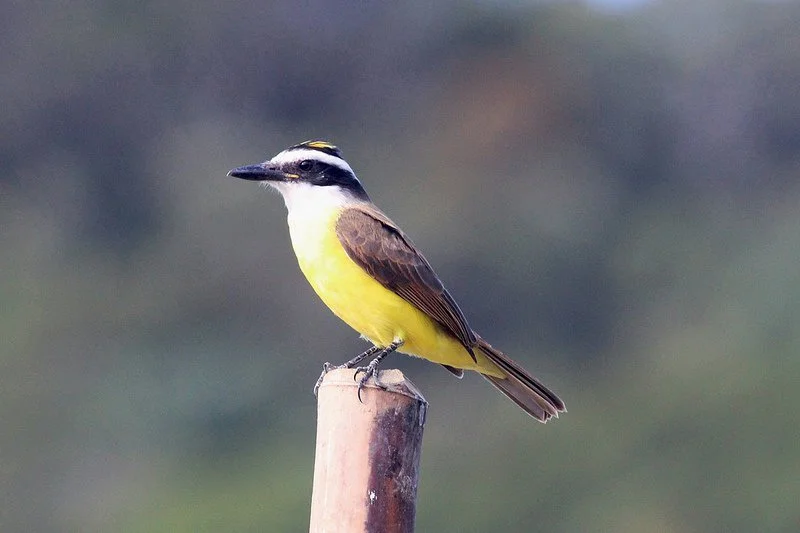
Just as on my last visit to Venezuela, I heard a bird that was very characteristic of my childhood, the noisy Guacharaca. This time, here in Santa Fe de Rincón, I heard and saw a very beautiful bird characteristic of Latin America called the Benteveo (Pitangus sulphuratus) or Cristofué (in Venezuela).
The Cristofué is very special, a small, beautiful bird that stands out for its yellow color and, above all, for its song, which can be heard clearly above the other birds.
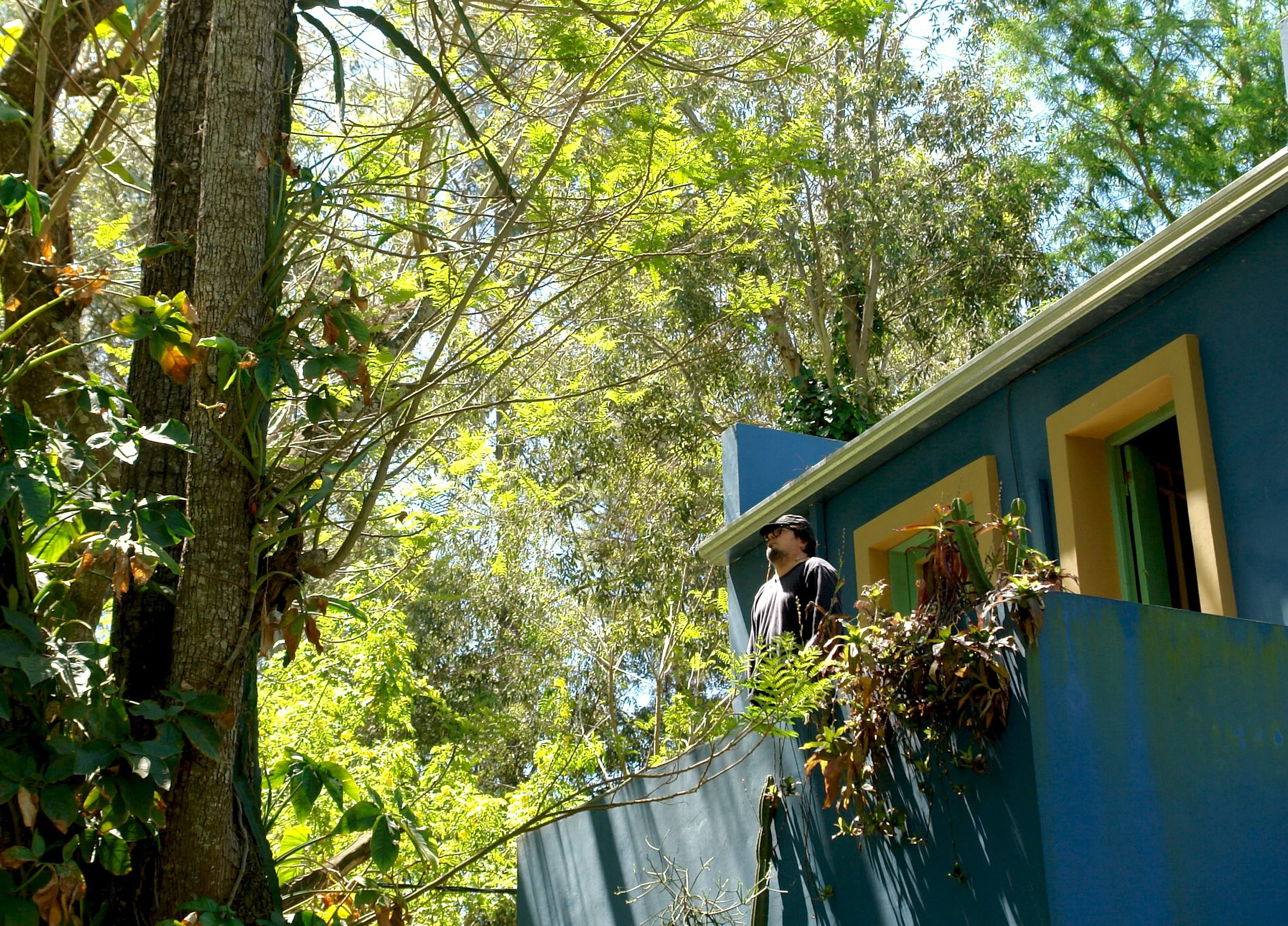
On this trip, I brought a bird whistle with me, and I wanted to interact with them by imitating their song from the balcony in the early morning hours.
I consider this performance to be sound-specific, as it makes sense to be a possible interaction between animal and human, both Latin American, in this specific environment.
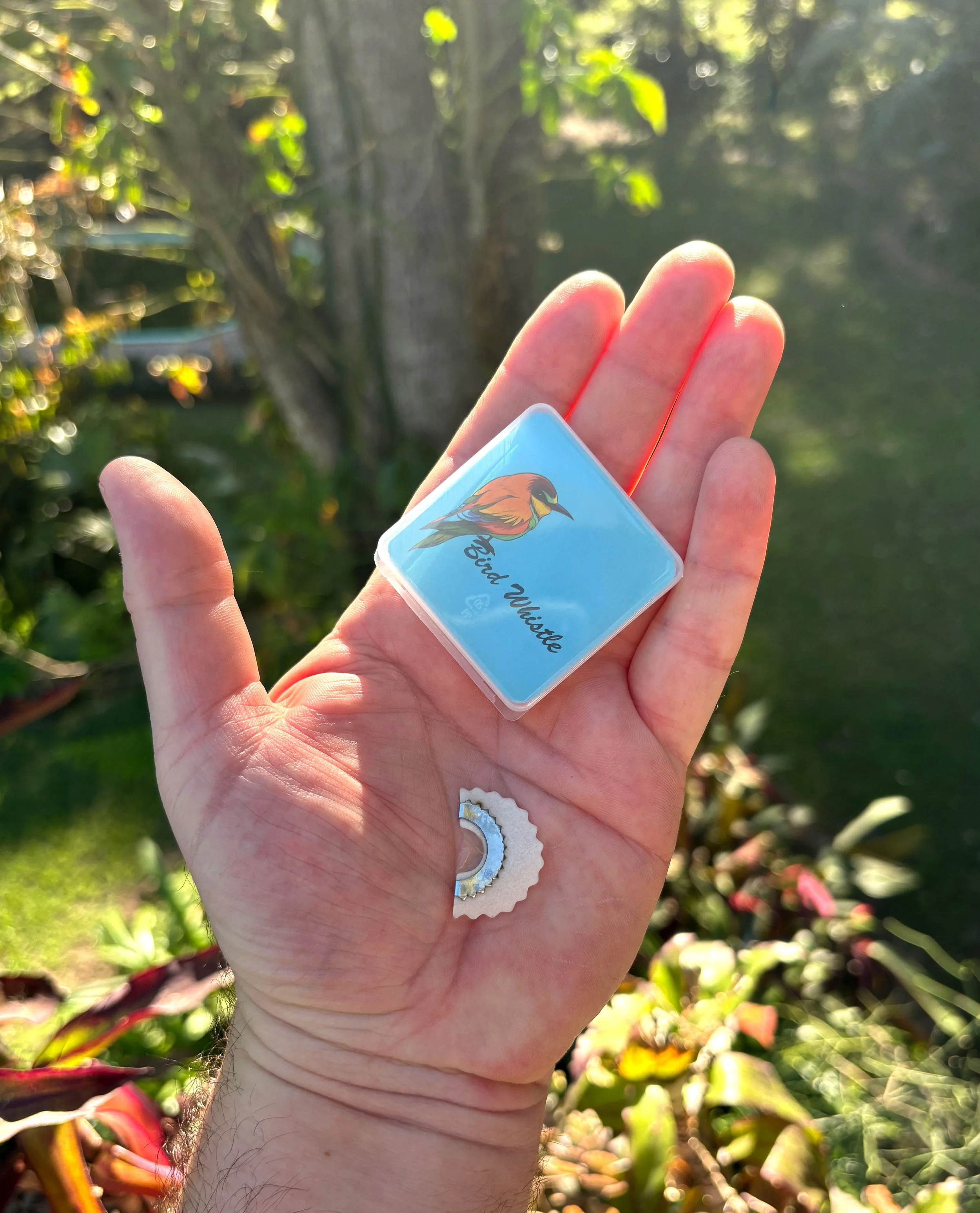
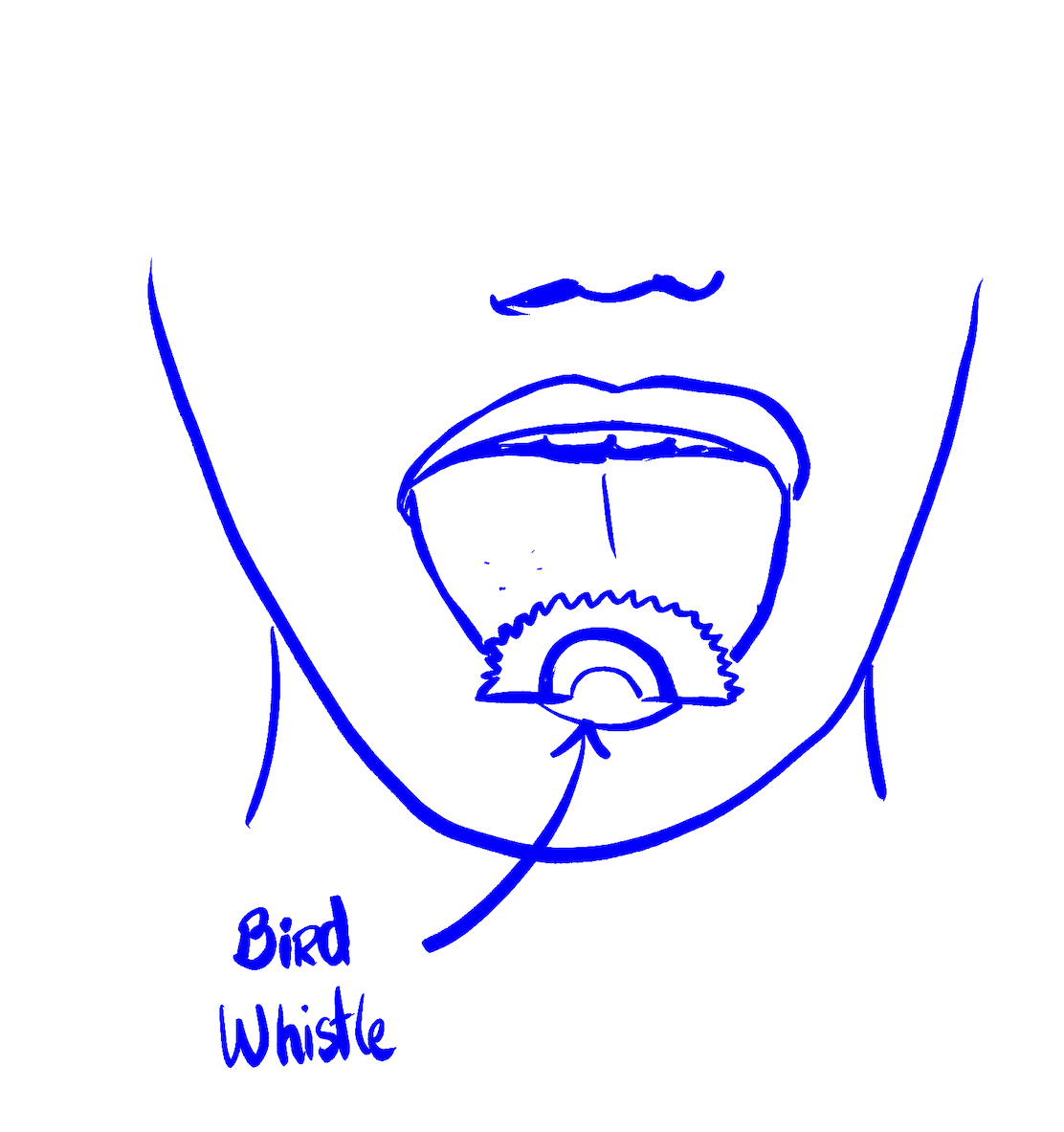


Its high-pitched, prolonged song gives rise to its common onomatopoeic name, which varies depending on the different regions where it lives.
It is called bienteveo, benteveo, or benteveo común (in Argentina, Bolivia, Chile, and Uruguay), bichofué, bichajué, or bichofué gritón (in Colombia), cristofué (in Venezuela, Honduras, and Costa Rica), güis común (in Nicaragua), luis bienteveo or luis grande (in Mexico), pitogüé or pitangua (from Guaraní, in Paraguay), bem-te-vi (in Portuguese, in Brazil), pecho amarillo (in Costa Rica), chío (in El Salvador), bichofeo or pitojuán (in Argentina), quetupí (in some regions of Argentina), pímparo (in Colombia), cierto güis, comechile, chicha fría or Víctor Díaz (in the Amazon rainforest of Peru).
Mythology
Folk beliefs: Although often associated with bad luck or death, other interpretations see it as a protector that “watches over you” or a harbinger of visitors or change.
In rural areas of the Argentine coast, its song above a house is often considered an ominous sign, so it is immediately chased away. If it sings happily near a house, it is considered a sign of pregnancy.
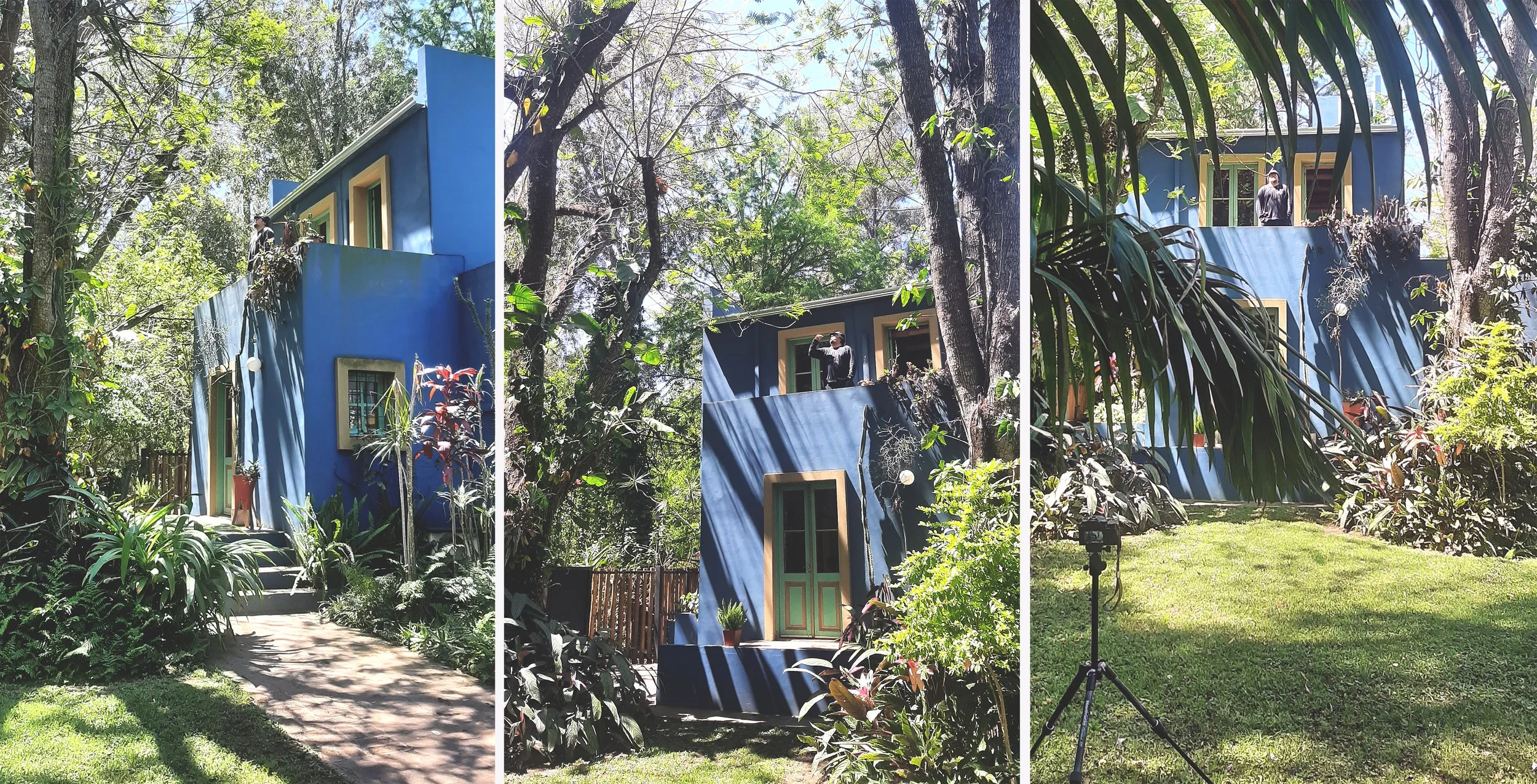
Performance _ video installation (excerpt).
NOTE: If the video does not load, please refresh the page to load it.
This pIECE was carried out at Curadora Residencia in Santa Fe, Argentina.
A Project within the framework of the Constelaciones residency grant from Red Quincho and the Spanish Cultural Center in Argentina.