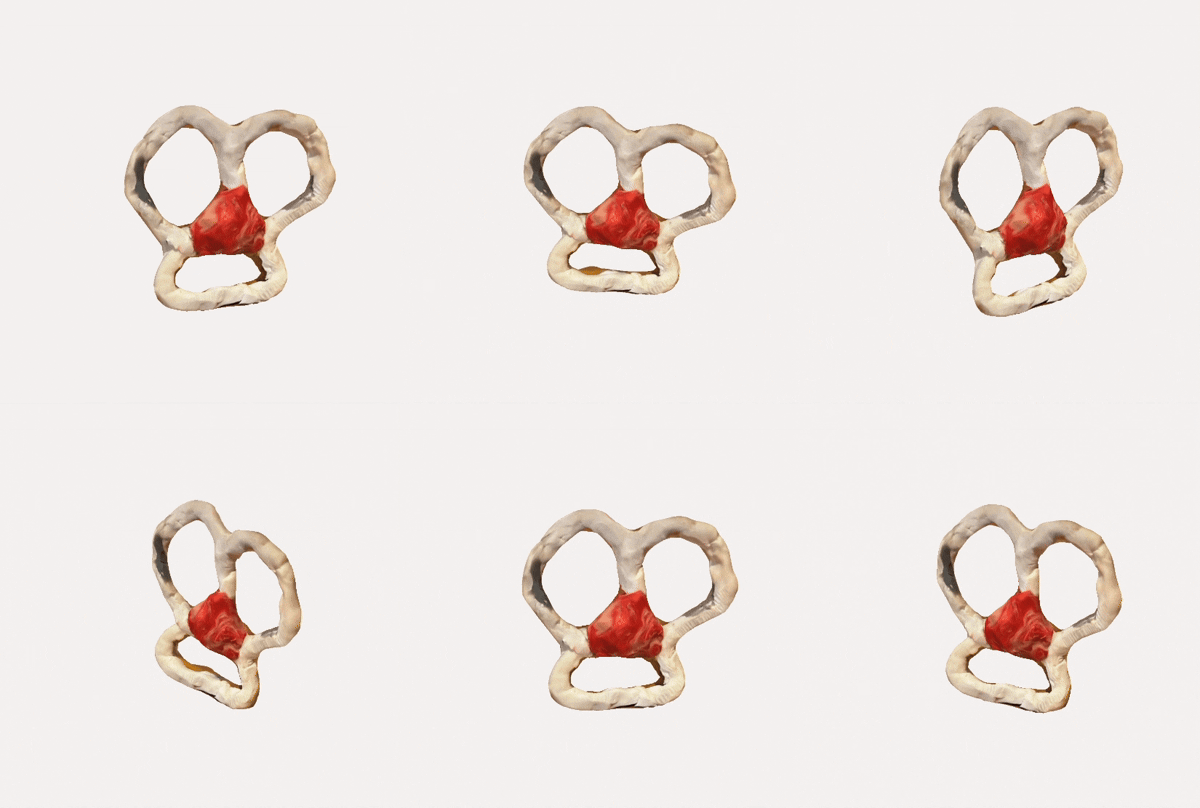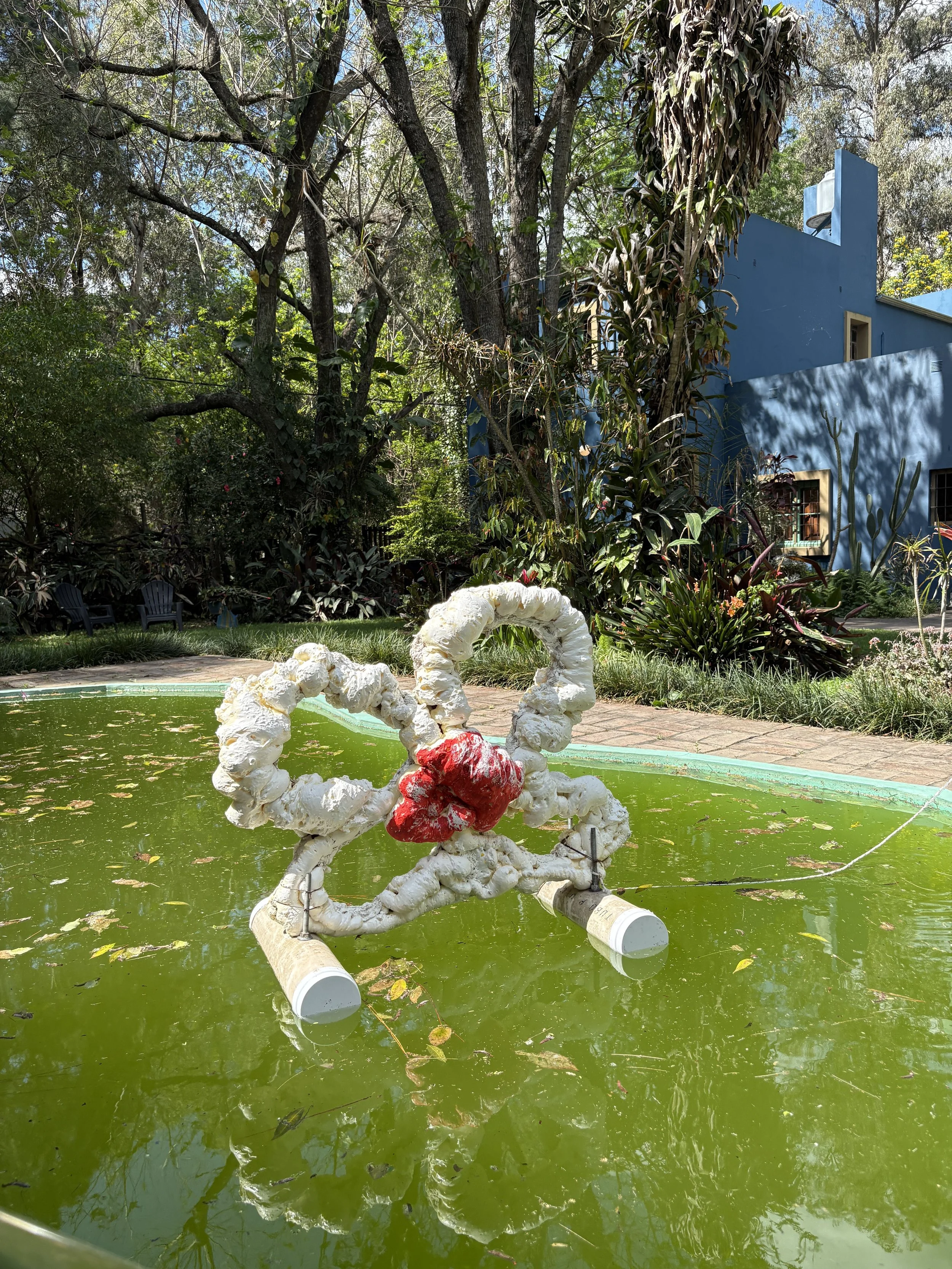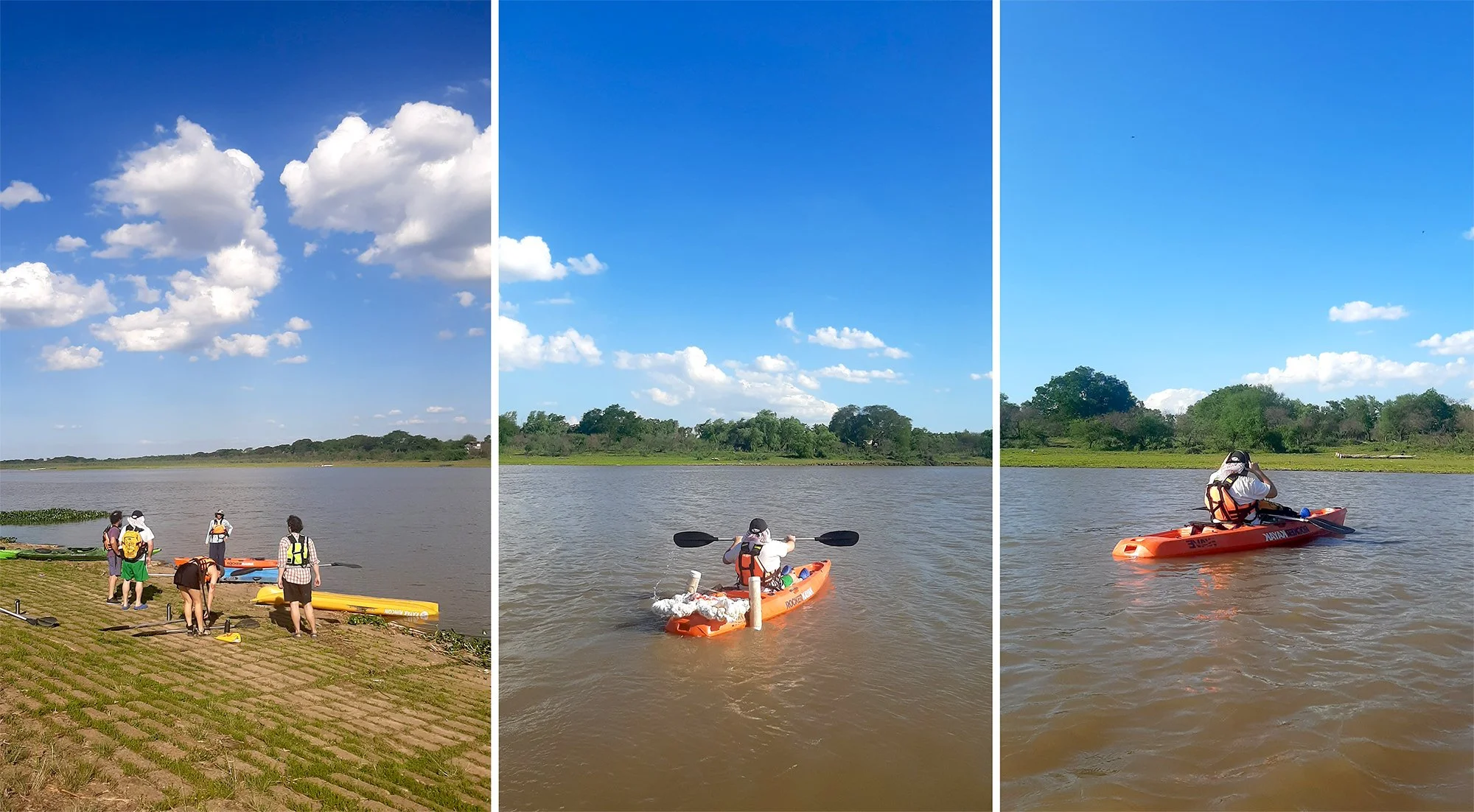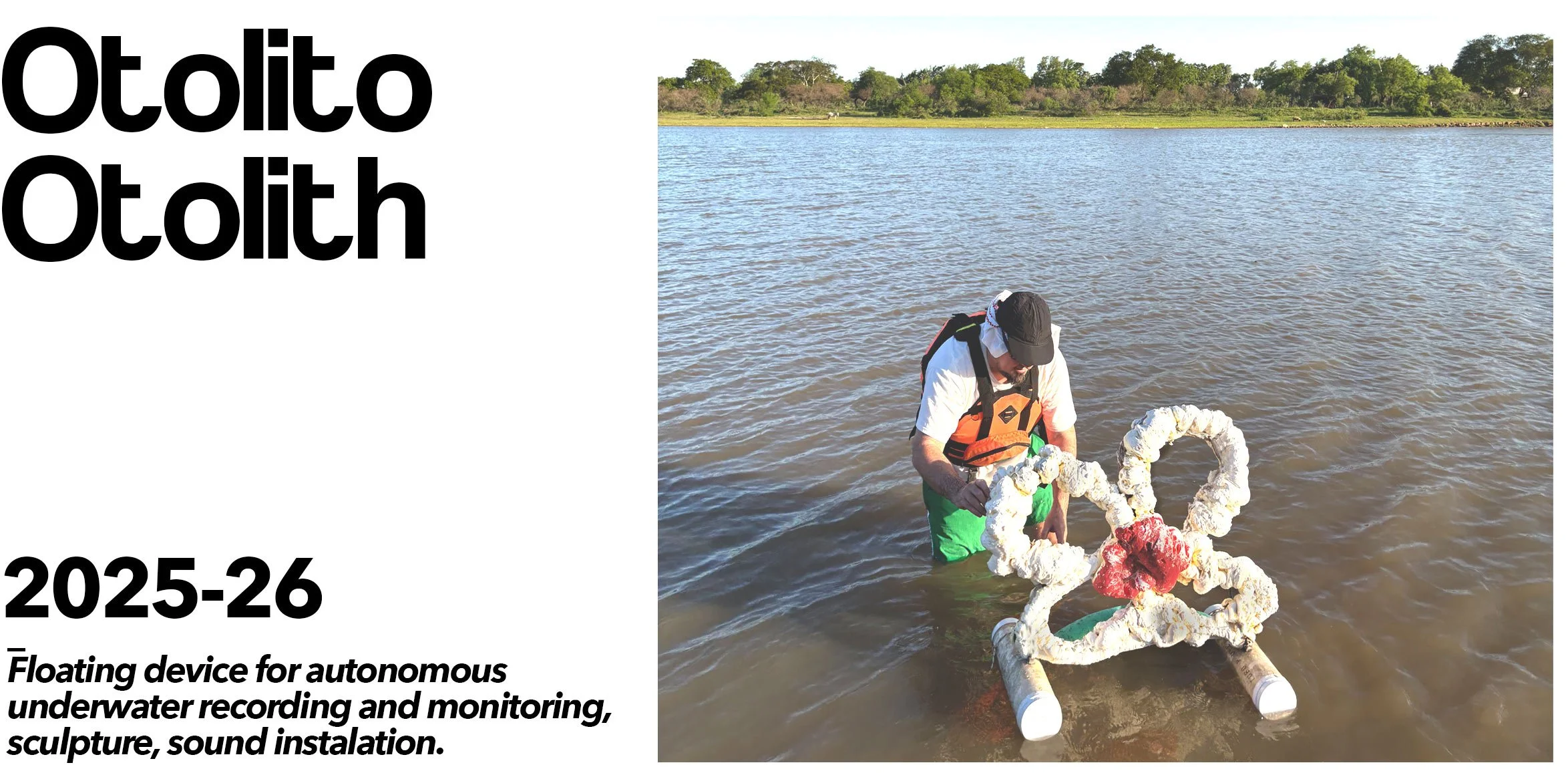
In recent years, when I travel to a new place, I have made the piece “EAR” as a symbolic act to mention a listening that is situated and attentive to the place. When I was invited to Argentina, and especially to two regions such as Santa Fe and Rosario, rich in canals and river landscapes, I thought of making an “EAR,” but this time, an ear that listens underwater.
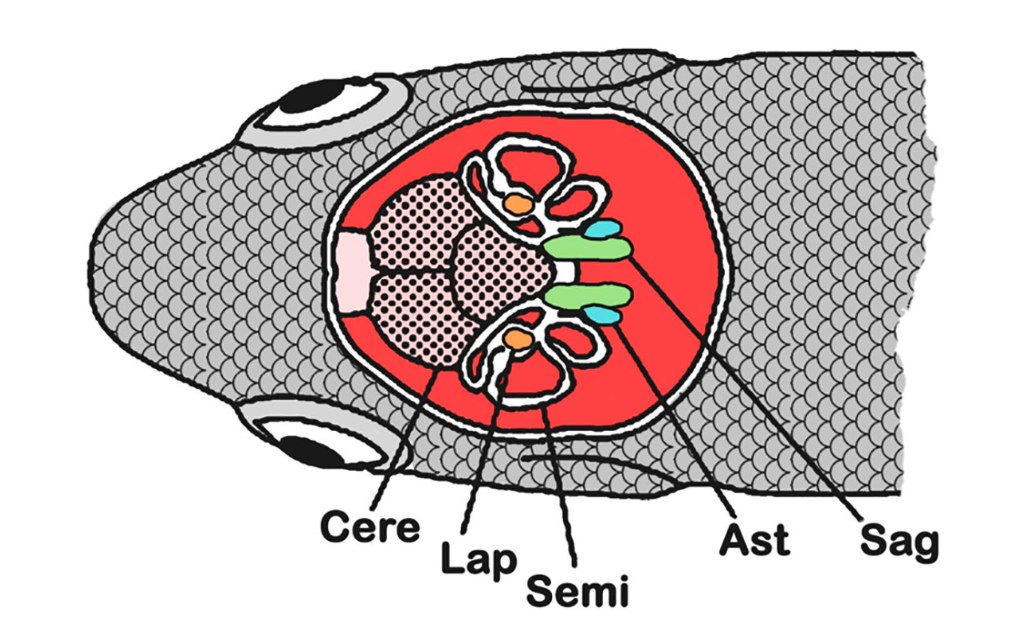
In fish, otoliths are used for orientation and hearing, and they also contain crucial information about their age and growth, which is why they are called “the black box of fish.” Otoliths are similar to the bones in the human inner ear. Otoliths are suspended in fluid-filled sacs and, as in humans, aid in balance and orientation.
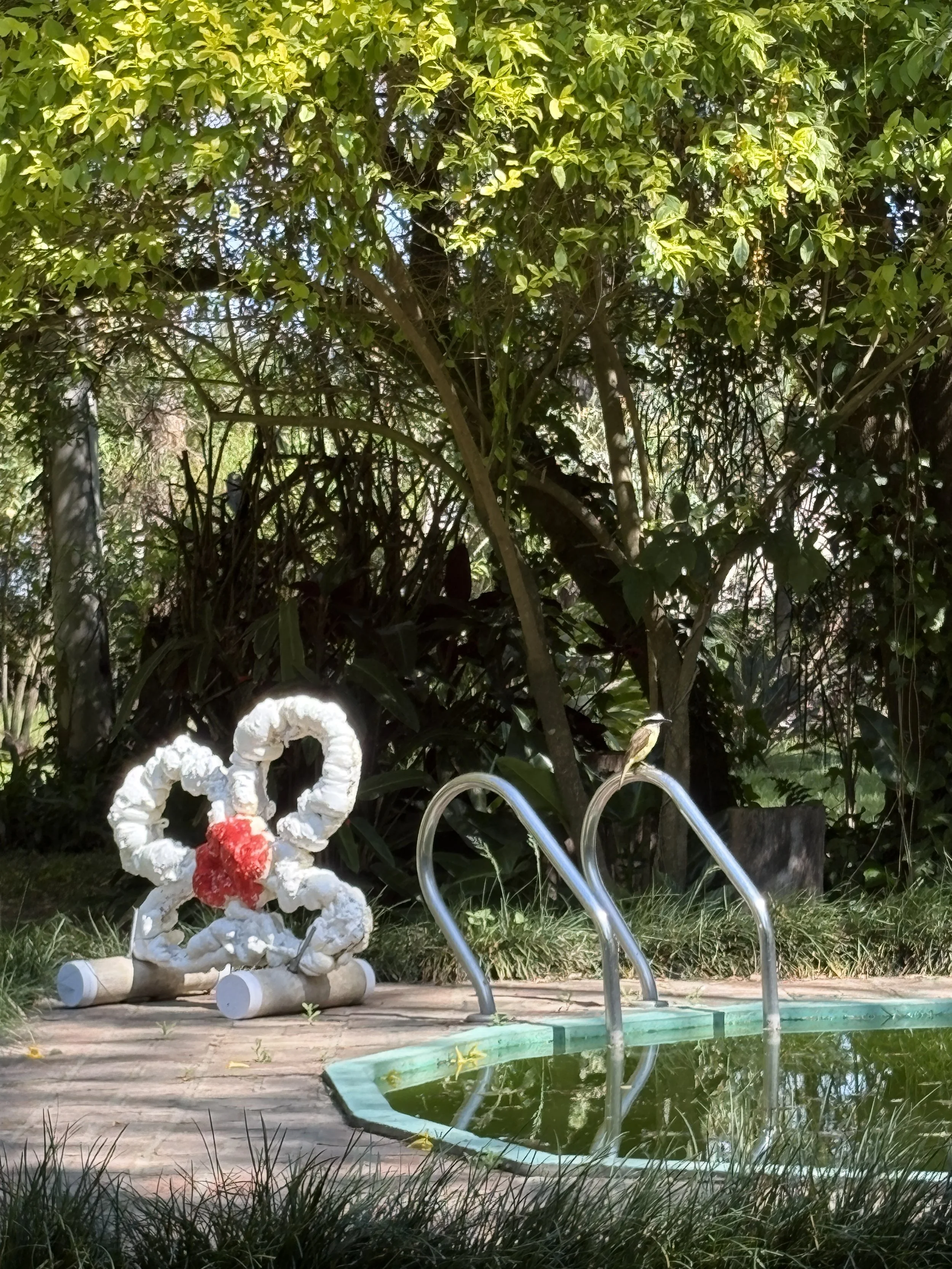
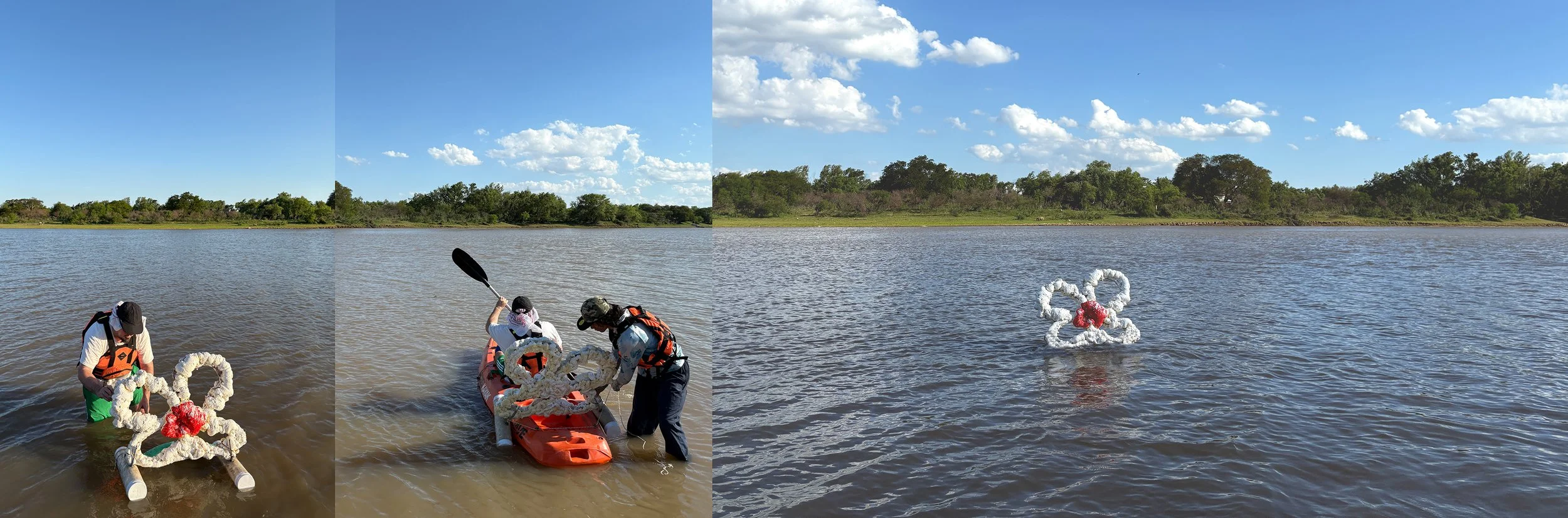
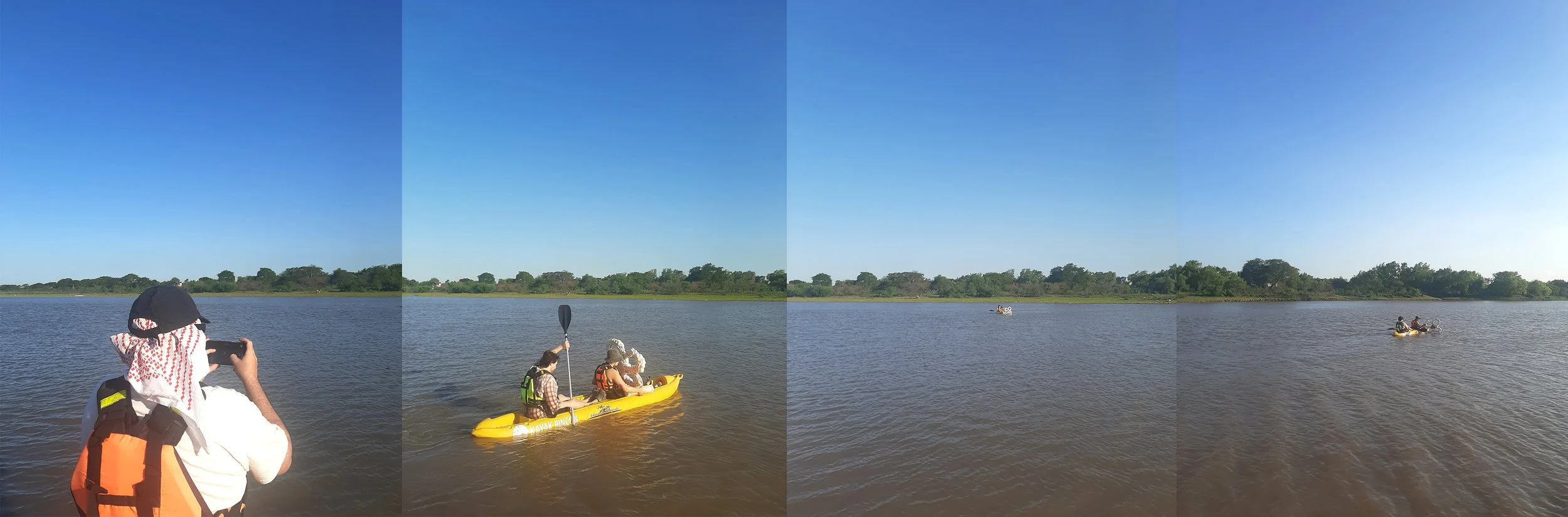
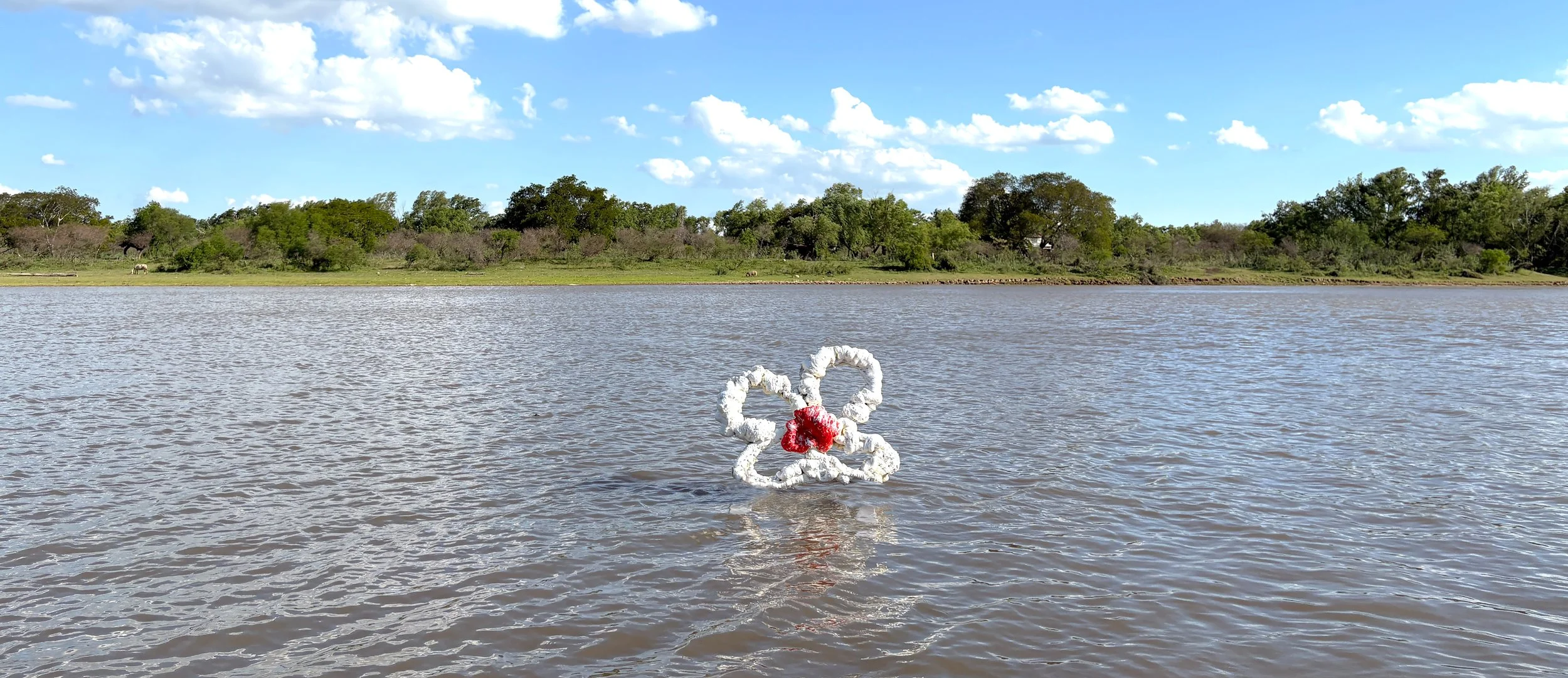
The Otolith sculpture/intrument floats stably and contains an underwater recording device with a hydrophone that can be programmed for long recordings at various times and remotely in order to monitor and capture the sounds of the river and its inhabitants.
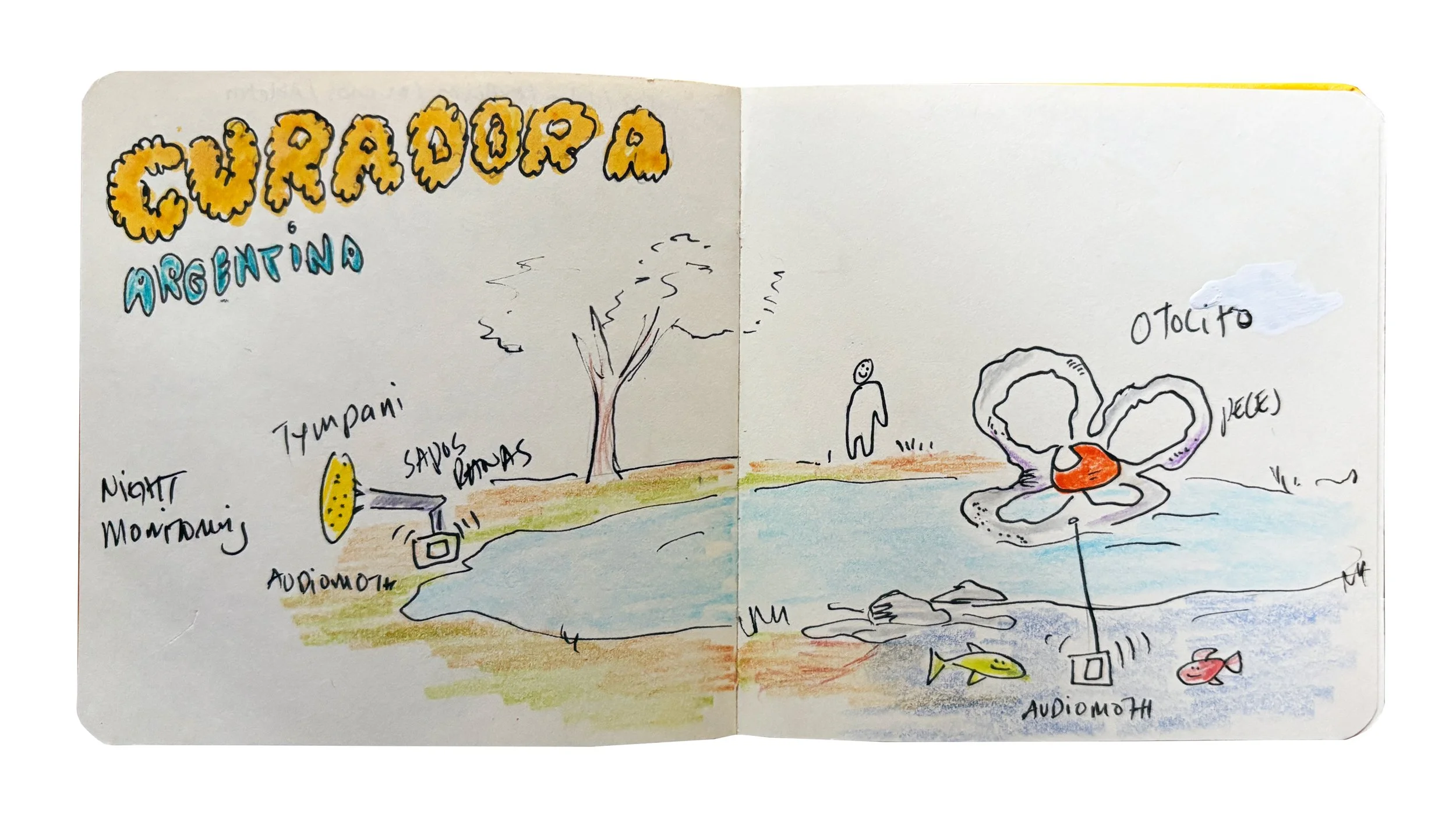
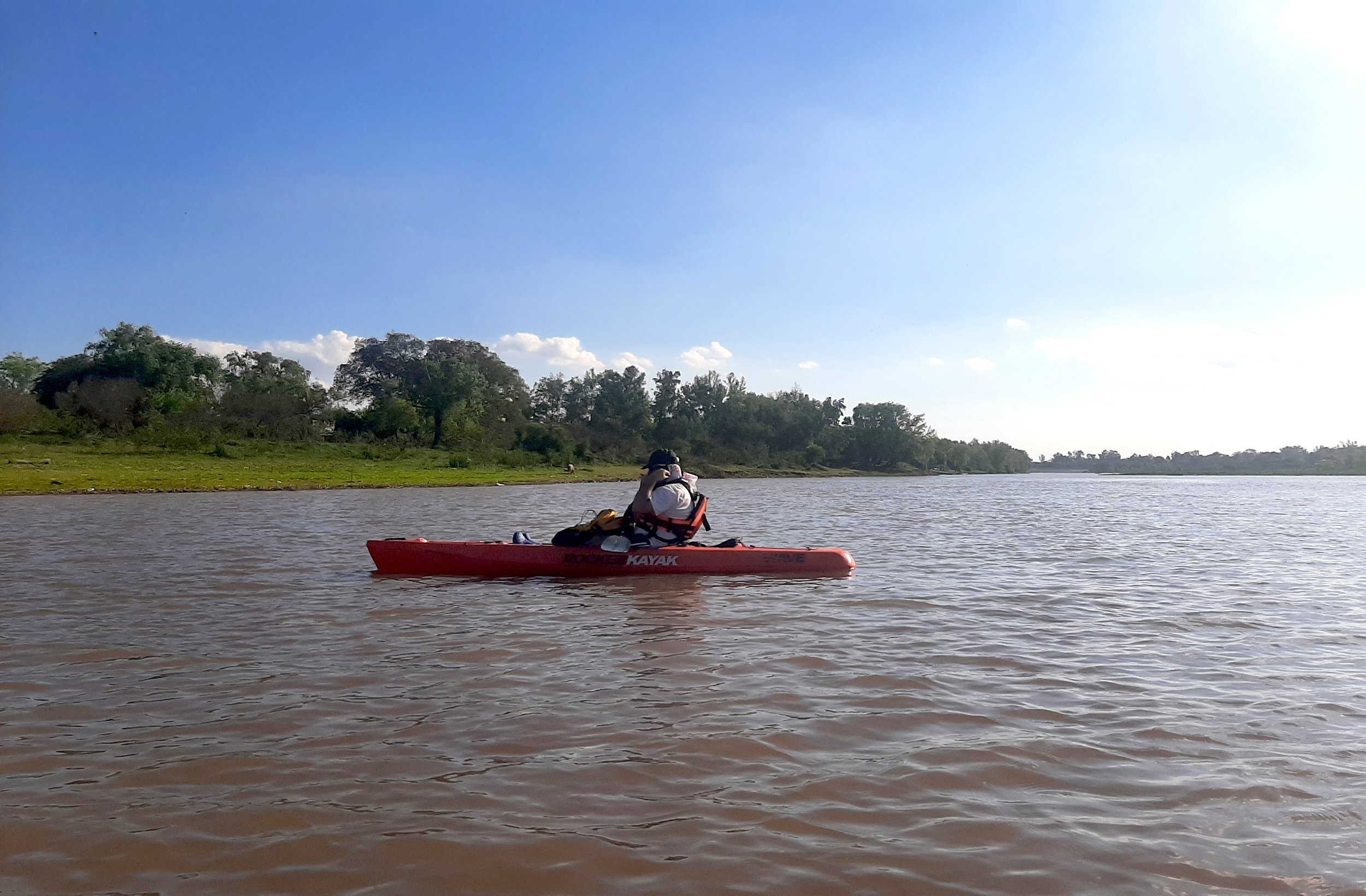
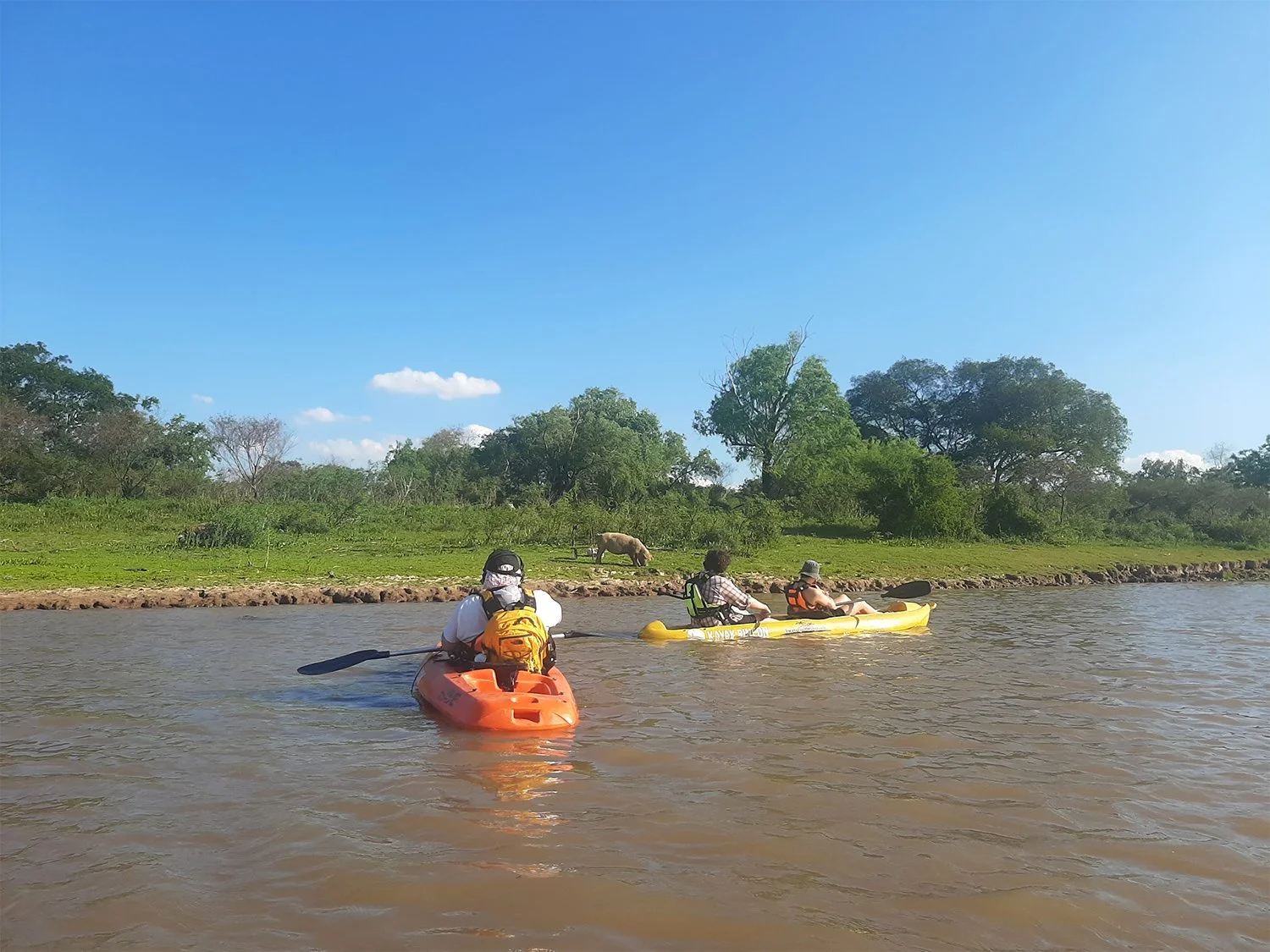
The recordings were made in the areas of the Ubacai River in San José del Rincón and at various points along the Paraná River in Rosario. These recordings will be published in special editions in audio format (vinyl records, cassettes).
This project is part of my series of underwater recordings of rivers, which began in 2022 with recordings I made on the Danube in Linz (Austria) and Budapest (Hungary).
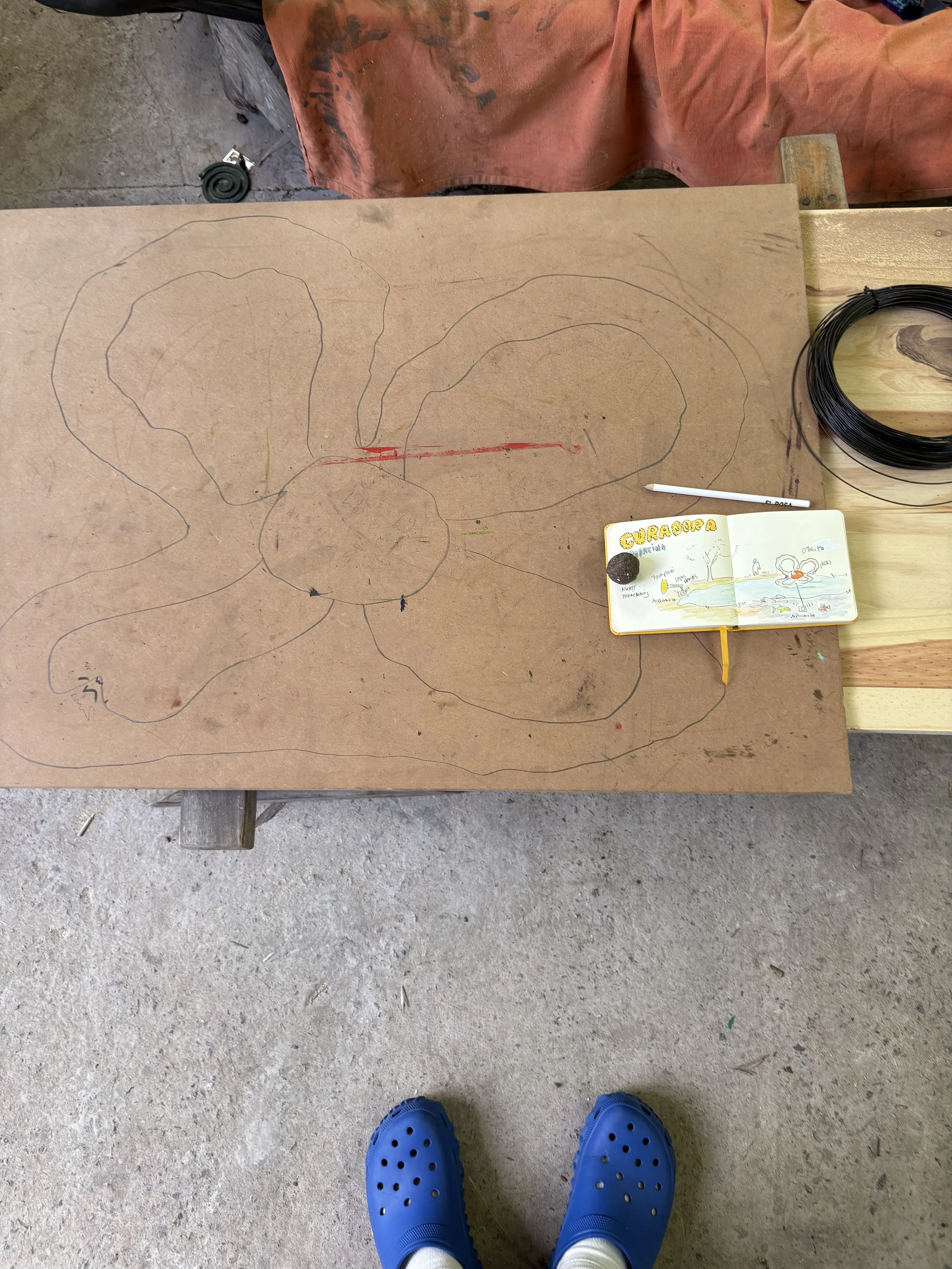
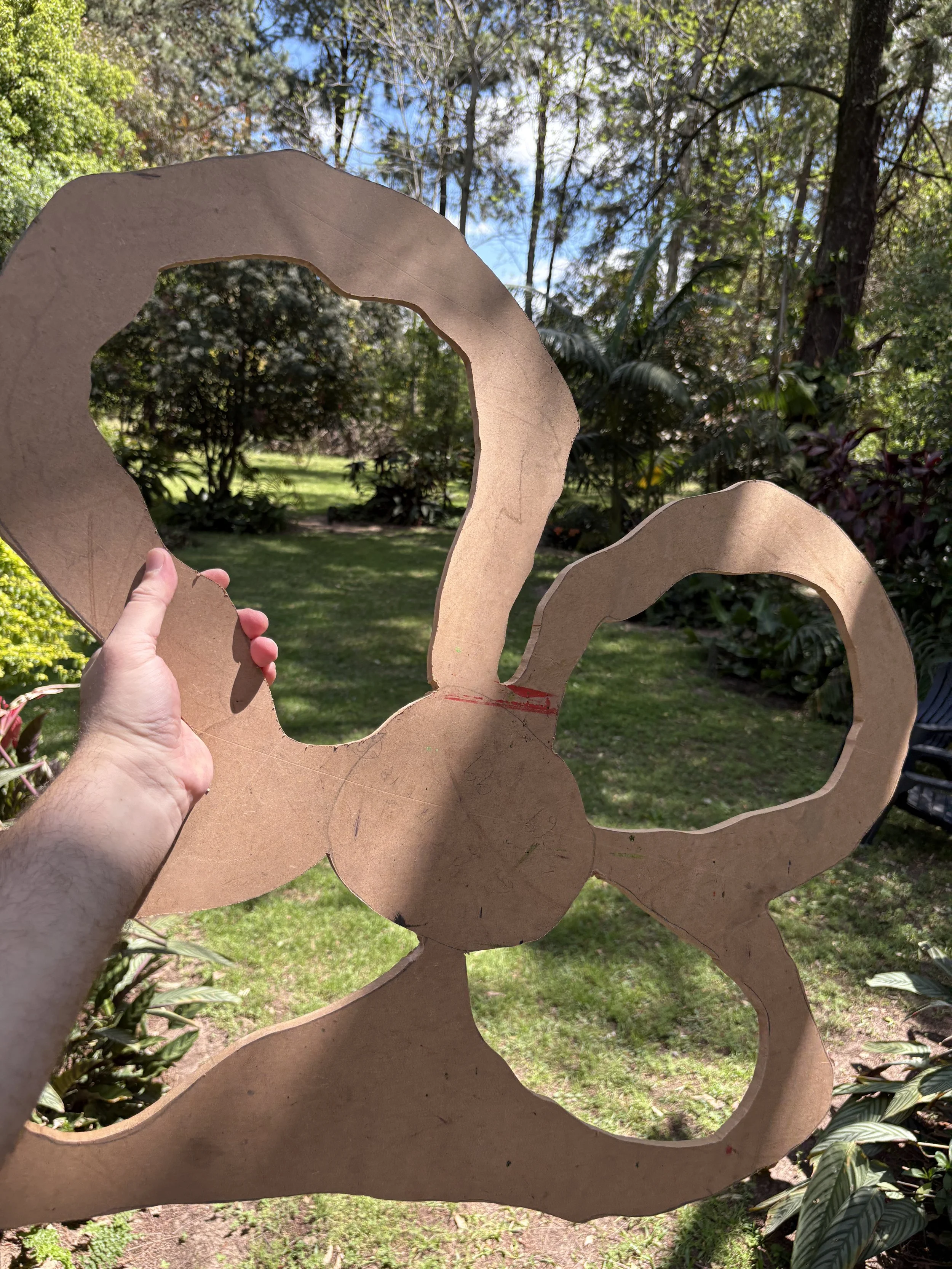
Construction of the Otolith sculpture and floating device for underwater field recordings
Otoliths are a very important part of the inner ear of bony fish. They are calcareous structures deposited by the endolymphatic fluid of the labyrinth, which are housed in two adjacent cavities of the neurocranium: the otic capsules.
There are three pairs of otoliths: sagitta (sacculus), lapillus (utriculus), and asteriscus (lagena). Of these three structures, the sagitta is most commonly used to determine age and is linked to hearing function. If both sagittas are surgically removed, the fish swims normally but does not react to the range of sounds as it normally would.
Otoliths, like tree rings, grow in layers, allowing scientists to determine the age, growth rate, and living environment of fish.